+90 536 547 85 85

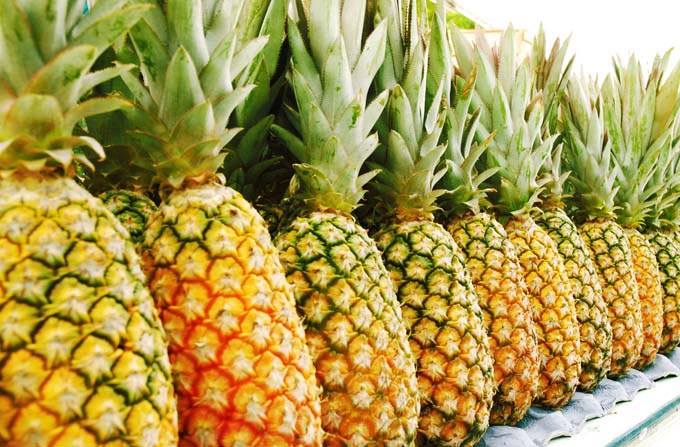


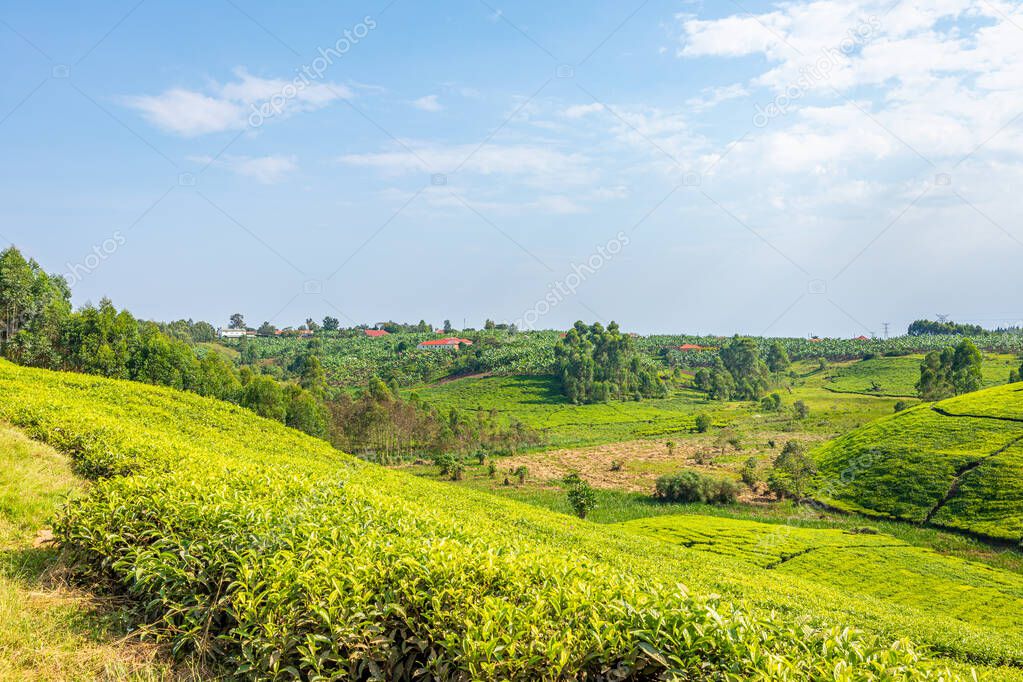
Africa’s pineapples are renowned for their exceptional sweetness and juiciness, thanks to the continent rich soils and perfect tropical climate. Grown with care by local farmers, these pineapples are naturally ripened under the sun, ensuring a flavor that’s vibrant and refreshing. Whether enjoyed fresh, juiced, or added to recipes, African pineapples offer a tropical experience like no other.
Key Features: Naturally sun-ripened for optimal sweetness
Rich in vitamins, particularly vitamin C
Perfect for fresh consumption, juices, and culinary uses
Ideal Markets: Health-conscious consumers, juice manufacturers, hospitality industry, and supermarkets.
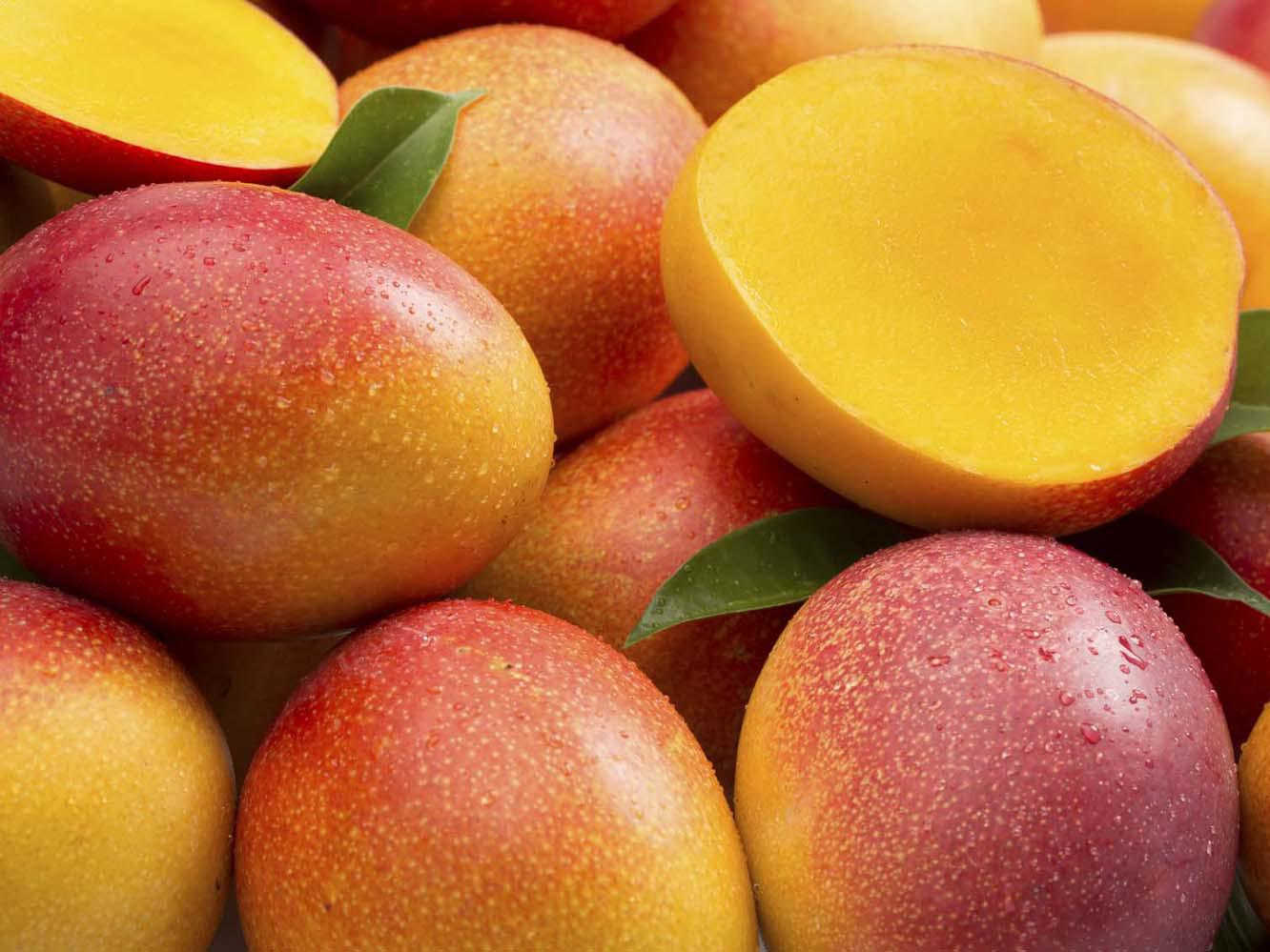
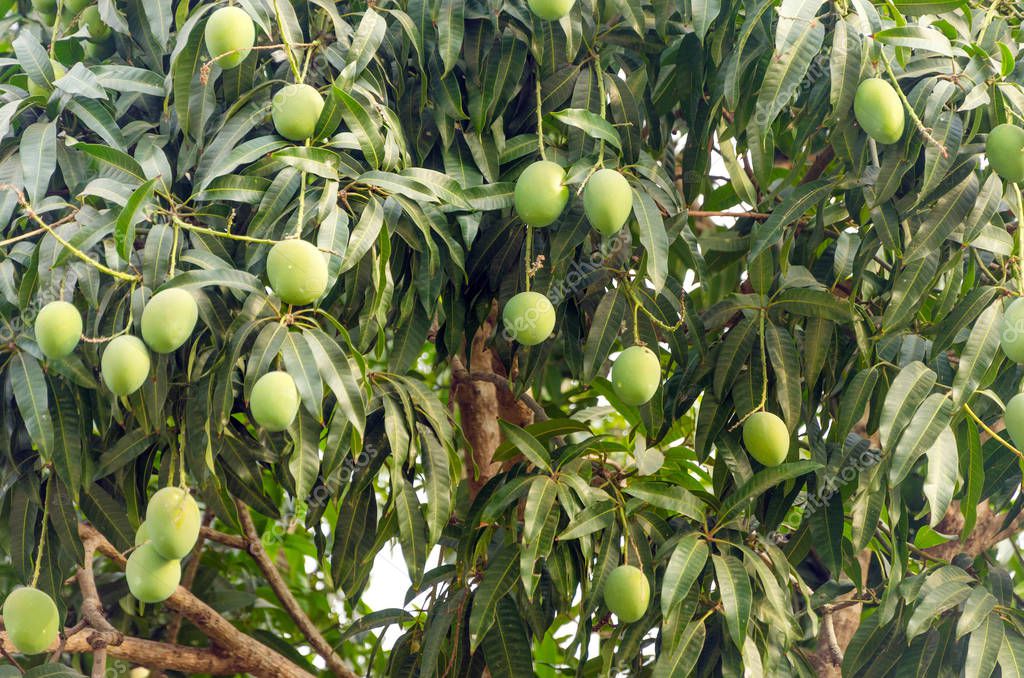
African mangoes are a true reflection of tropical excellence. With their rich, buttery texture and delightful sweetness, these mangoes are a favorite both locally and internationally. Cultivated by smallholder farmers across Africa, these mangoes are grown using sustainable farming practices, ensuring their high quality and natural flavor. Whether in smoothies, salads, or simply eaten fresh, African mangoes are a juicy, nutritious treat.
Key Features:
Target Audience: Fruit markets, health food stores, and food processing industries.
Jackfruit from Africa is a unique tropical fruit gaining international popularity for its versatility and nutritional benefits. With its sweet, honey-like flavor, jackfruit can be eaten fresh or used as a plant-based meat alternative in various dishes.Africa’s fertile soils and abundant rainfall create the perfect conditions for growing this large, nutrient-rich fruit. High in fiber and essential vitamins, jackfruit is both a healthy snack and a cooking staple for vegans and vegetarians.
Key Features:
Markets to Target: Vegan food producers, supermarkets, restaurants, and food innovators.
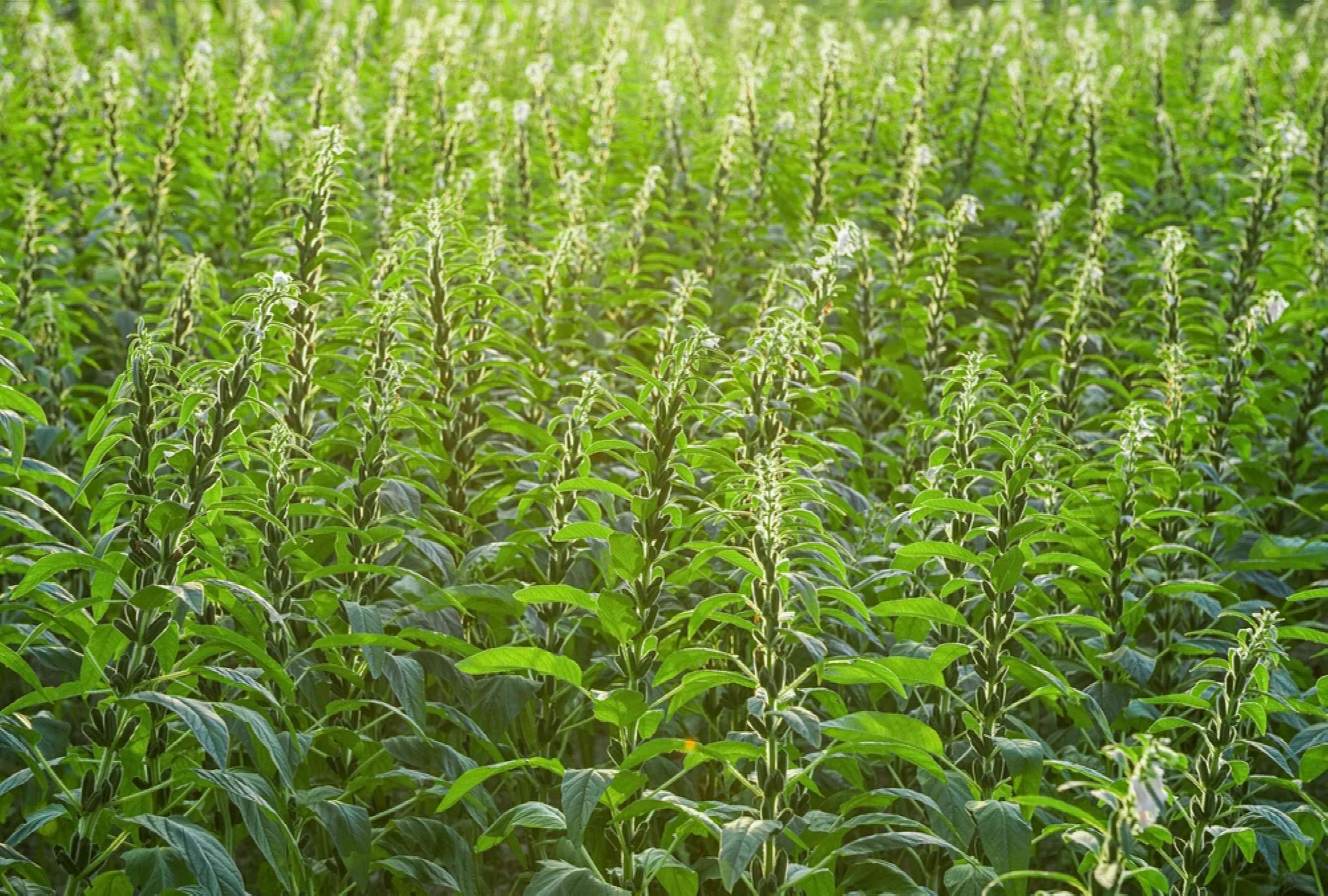
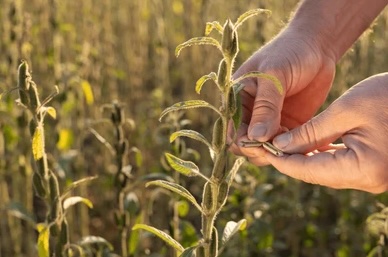
Africa’s sesame (also known as simsim) is a prized agricultural product known for its exceptional quality, flavor, and versatility. Grown predominantly by smallholder farmers using sustainable farming practices, African sesame has become a sought-after commodity both regionally and internationally. The continent's fertile soils and favorable climate conditions contribute to producing sesame seeds that are rich in oil content and packed with nutrients.
Why Choose African Sesame?
Premium Quality: African sesame seeds are carefully cultivated to ensure high oil content and purity. The seeds are renowned for their rich, nutty flavor, making them ideal for a wide range of uses, from oil extraction to culinary applications.
Nutrient-Dense: Sesame seeds from Africa are an excellent source of essential nutrients, including healthy fats, protein, and minerals such as calcium, iron, and magnesium. This makes them a popular choice for health-conscious consumers and food manufacturers looking for nutrient-rich ingredients.
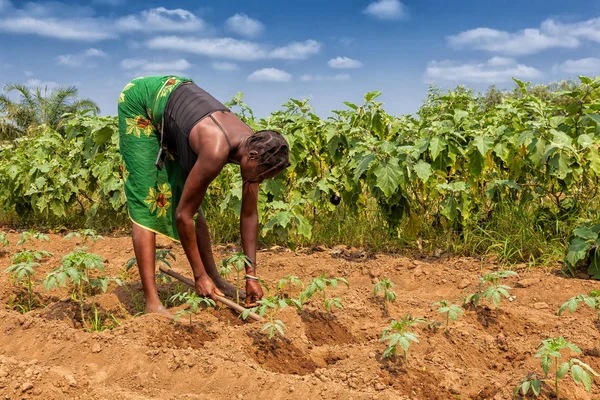
Sustainably Grown: Most African sesame is produced by small-scale farmers who follow traditional, sustainable farming methods. These practices not only support local communities but also ensure that the sesame is free from harmful chemicals and grown with environmental care.
Versatility in Use: African sesame seeds can be used in a variety of ways. They are perfect for:
Key Features:
Target Markets: Health food retailers, international buyers, oil manufacturers, food processors, and bakeries.
Why Africa for Sesame? Africa’s strategic location and increasing agricultural capacity make it a prime source for high-quality sesame. The continent’s commitment to sustainable farming practices and the growing global demand for healthy, organic products position Africa as a reliable partner in the sesame trade. Whether you are looking for raw sesame seeds, processed oil, or sesame-based products, African sesame is an ideal choice for quality and sustainability.
Each of these products highlights Uganda's commitment to quality and sustainability. By choosing Ugandan pineapples, mangoes, jackfruit, sesame and rice, you are not only getting top-tier produce but also supporting local communities and smallholder farmers.